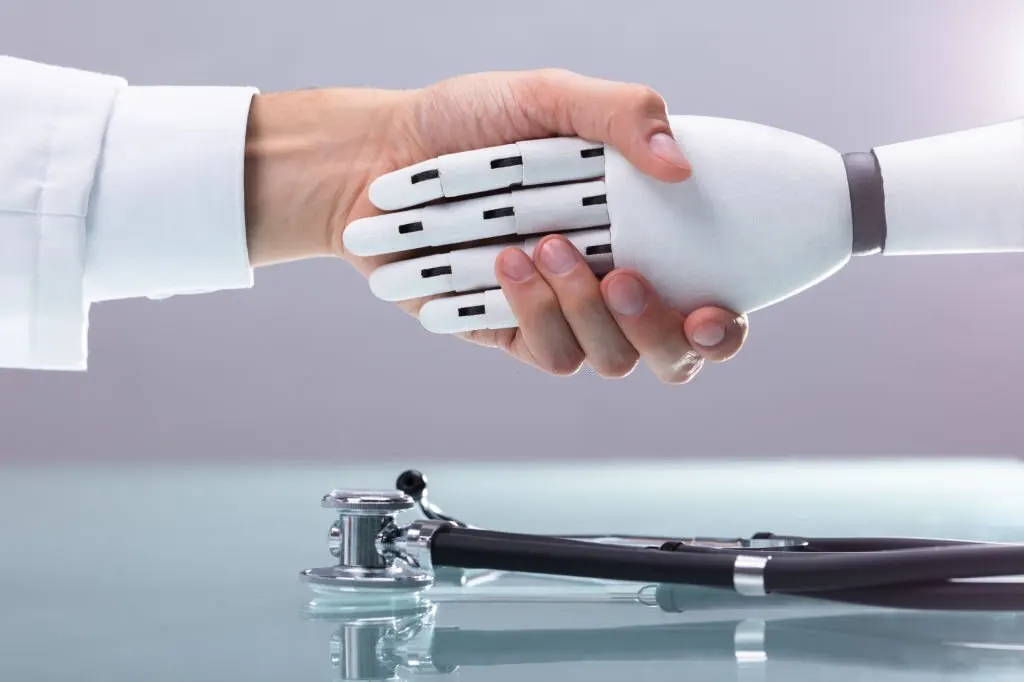
Artificial Intelligence (AI)’s applications span from improving patient care and diagnosis to streamlining administrative tasks. Here are some key areas where AI is making an impact in the medical department:
Disease Diagnosis and Risk Prediction:
AI algorithms can analyze medical images (such as X-rays, MRIs, and CT scans) to assist radiologists in detecting diseases like cancer, fractures, and neurological conditions.
Machine learning models can assess patient data to predict disease risk factors, enabling early intervention and preventive care.
Drug Discovery and Development:
AI helps identify potential drug candidates by analyzing vast datasets and simulating molecular interactions, significantly speeding up drug discovery.
It can also predict how patients will respond to different medications, enabling personalized treatment plans.
Electronic Health Records (EHR) Management:
AI-driven EHR systems can streamline record-keeping, making patient data more accessible, accurate, and secure.
Natural language processing (NLP) techniques can extract valuable information from unstructured clinical notes.
Personalized Treatment Plans:
AI can analyze patient data, including genetic information, to tailor treatment plans and medications to an individual’s specific needs.
It can also assist in selecting the most effective therapies and adjusting them in real-time based on patient responses.
Telemedicine and Remote Monitoring:
AI-powered telehealth platforms offer virtual consultations, making healthcare more accessible, especially in remote areas.
Remote monitoring devices and AI algorithms can track patient vital signs and alert healthcare providers to potential issues.
Medical Imaging Enhancement:
AI can enhance the quality of medical images, reducing the need for retakes and improving diagnostic accuracy.
It can also automate the detection of anomalies in images, saving radiologists’ time.
Natural Language Processing for Clinical Documentation:
NLP can convert spoken or written medical notes into structured data, facilitating better clinical decision support and research.
Drug Adverse Event Monitoring:
AI can analyze social media and other sources to identify potential adverse drug reactions early, helping regulatory agencies and pharmaceutical companies take prompt action.
Healthcare Chatbots:
AI-powered chatbots and virtual assistants can provide patients with health information, answer common queries, and schedule appointments.
Predictive Analytics and Population Health Management:
AI can predict disease outbreaks, optimize resource allocation in healthcare facilities, and help public health agencies make informed decisions.
Robotic Surgery and Assistance:
Surgical robots, guided by AI, assist surgeons in performing precise and minimally invasive procedures.
Drug Dosage Optimization:
AI algorithms can calculate optimal drug dosages based on patient characteristics and real-time data, reducing the risk of medication errors.
While AI holds immense potential in the medical field, it’s essential to address ethical, privacy, and regulatory concerns to ensure the responsible and safe integration of AI technologies into healthcare systems. Additionally, healthcare professionals must remain involved in decision-making to maintain the human touch and empathy that are crucial in patient care.