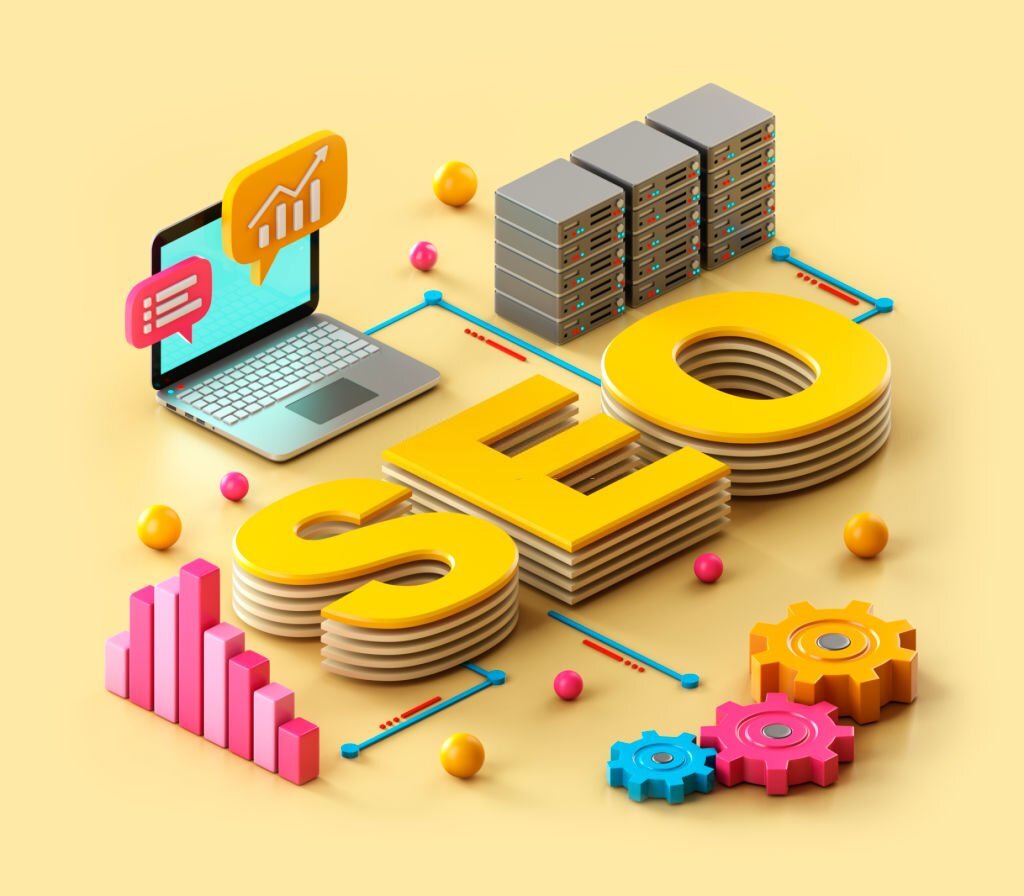
SEO is stands for search engine optimization. SEO is the process of improving the website to increase its visibility in Google
Keyword Research: Keyword research involves identifying the specific words and phrases that potential visitors might use when searching for content related to your website. It’s crucial to choose relevant keywords with a reasonable search volume and competition.
On-Page SEO: On-page SEO includes:
Title Tags: Creating descriptive and keyword-rich titles for each page.
Meta Descriptions: Writing compelling and relevant meta descriptions.
Header Tags: Using HTML header tags (H1, H2, H3, etc.) to structure content.
Keyword Placement: Strategically placing keywords in content.
Image Alt Text: Giving descriptive alt text for images.
URL Structure: Making clean and descriptive URLs.
Internal Linking: Linking to other relevant pages on your website.
Content Quality: Regularly updating and adding fresh content can also improve your site’s visibility.
Mobile-Friendliness: With the increasing use of mobile devices, having a mobile-responsive website is crucial for SEO. Google, in particular, considers mobile-friendliness in its ranking algorithm.
Page Speed: Fast-loading web pages not only improve user experience but can also positively affect your SEO ranking. Compressing images, using browser caching, and minimizing code can help improve page speed.
Technical SEO: This aspect deals with the technical infrastructure of your website. It includes:
XML Sitemaps: Making and submitting sitemaps to search engines.
Robots.txt: Using a robots.txt file to control search engine crawling.
Canonical URLs: Implementing canonical tags to avoid duplicate content issues.
Schema Markup: Adding structured data to help search engines understand your content better.
Backlinks: High-quality, authoritative backlinks can significantly impact your SEO rankings. However, it’s important to focus on earning natural backlinks rather than engaging in spammy link-building practices.
User Experience (UX): A positive user experience, including easy navigation, clear site structure, and good mobile responsiveness, can indirectly benefit your SEO by keeping visitors engaged and reducing bounce rates.
Analytics and Monitoring: This helps you track the effectiveness of your SEO efforts and make necessary adjustments.
Local SEO: If you have a physical business location, optimizing for local search is essential. This includes creating a Google My Business listing, getting reviews, and ensuring accurate NAP (Name, Address, Phone Number) information.
SEO is an ongoing process, and it’s important to stay up-to-date with search engine algorithm changes and best practices to maintain and improve your website’s search visibility. It’s also important to remember that SEO is just one part of your overall digital marketing strategy, and it works best when combined with other tactics like content marketing, social media, and paid advertising.