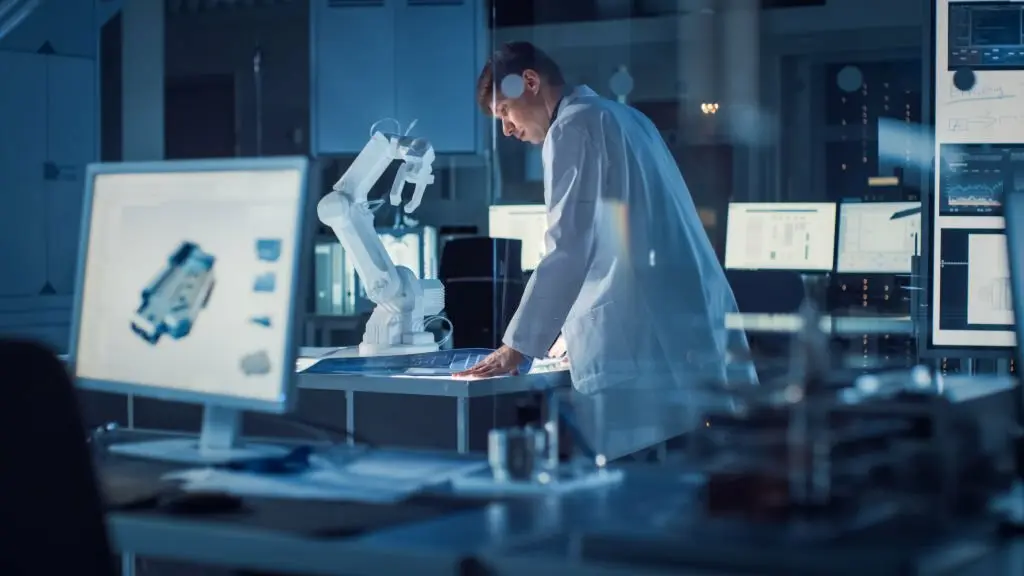
Biotechnology is a broad field of science and technology that uses living organisms, or their systems, to develop or create products and technologies for various applications. It encompasses a wide range of techniques and methodologies that manipulate biological systems to solve problems, improve processes, and develop new products. Biotechnology has applications in various sectors, including medicine, agriculture, environmental science, and industry.
Medical Biotechnology: This branch focuses on using biotechnology to develop new drugs, therapies, and medical technologies. It includes genetic engineering, pharmaceuticals, diagnostics, and the development of biopharmaceuticals like vaccines and monoclonal antibodies.
Agricultural Biotechnology: Agricultural biotechnology involves using genetic engineering and other biotechnological tools to improve crop yield, pest resistance, and nutritional content. Genetically modified organisms (GMOs) are an example of this application.
Industrial Biotechnology: This field applies biotechnology to industrial processes, such as fermentation to produce chemicals, enzymes, and biofuels. It also includes the use of microorganisms in waste treatment and pollution control.
Environmental Biotechnology: Environmental biotechnology addresses environmental challenges, including bioremediation (using microorganisms to clean up pollutants), wastewater treatment, and the development of sustainable technologies to reduce environmental impact.
Biomedical Engineering: Biomedical engineers apply biotechnology principles to create medical devices, prosthetics, tissue engineering, and regenerative medicine techniques.
Bioinformatics: Bioinformatics combines biology and computational science to analyze and interpret biological data, particularly in genomics, proteomics, and other “omics” fields.
Synthetic Biology: Synthetic biology involves designing and engineering biological systems for specific functions or applications. It aims to create new biological parts, devices, and systems that do not exist in nature, often for medical or industrial purposes.
Ethical and Regulatory Considerations: As biotechnology advances, it raises important ethical and regulatory questions regarding issues like genetic engineering, cloning, and the use of biotechnology in various applications. Governments and organizations worldwide have established guidelines and regulations to ensure the responsible use of biotechnology.
Biotechnology has had a profound impact on various aspects of our lives, from healthcare and agriculture to energy production and environmental sustainability. As technology continues to advance, biotechnology is expected to play an even more significant role in addressing global challenges and improving the quality of life.