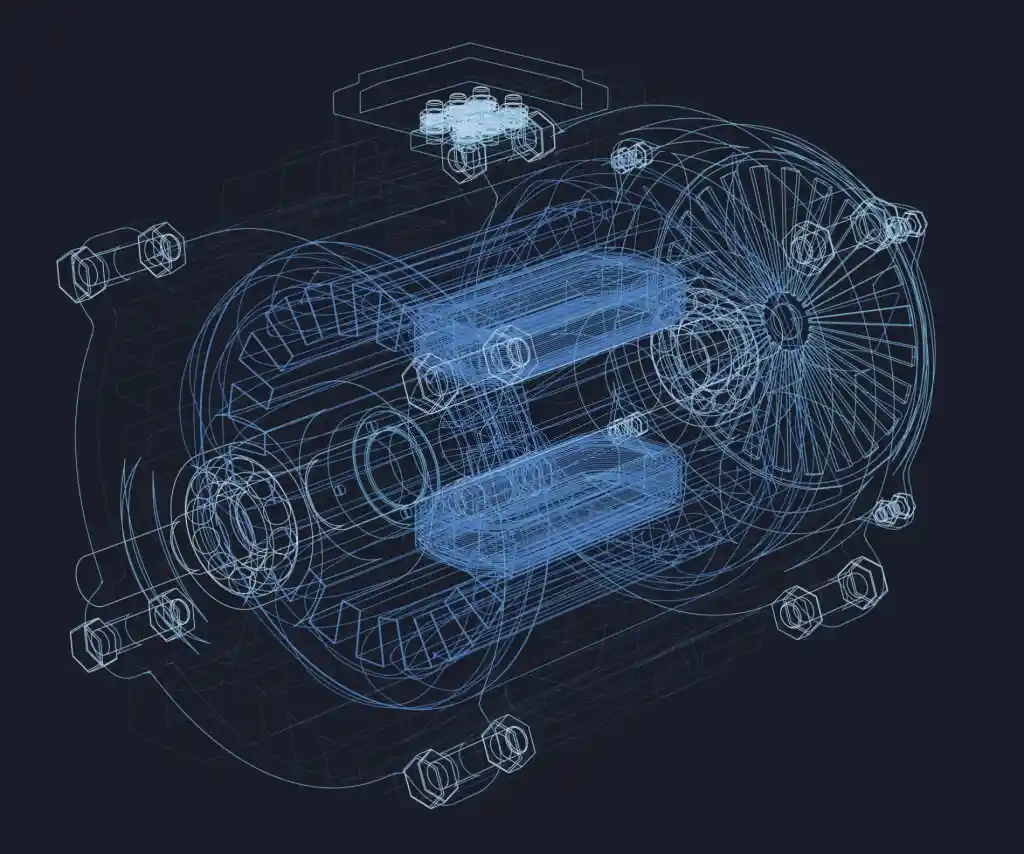
Electrical machine design is a field of engineering that focuses on the creation and development of electrical machines, such as motors, generators, transformers, and other devices that convert electrical energy into mechanical energy or vice versa. These machines play a crucial role in various industries, including manufacturing, energy generation, transportation, and more.
- Requirements and Specifications: Define the requirements and specifications of the machine, such as power rating, voltage, current, speed, efficiency, and size. Understanding the application and operational conditions is essential.
- Electromagnetic Design: This step involves designing the core and winding configuration of the machine. For electric motors and generators, it includes selecting the appropriate magnetic materials, determining the number of poles, and designing the stator and rotor cores. Electromagnetic analysis is used to optimize the design for desired performance characteristics.
- Thermal Design: Ensure that the machine can handle the heat generated during operation. Proper cooling and insulation techniques are critical to prevent overheating and ensure long-term reliability.
- Mechanical Design: Design the mechanical aspects of the machine, such as the housing, bearings, and structural components. Mechanical design also involves considering factors like vibration, noise, and mechanical stress.
- Material Selection: Choose appropriate materials for the core, windings, insulation, and other components based on their electrical, thermal, and mechanical properties.
- Electrical Design: Determine the electrical connections, voltage levels, and winding arrangements to meet the machine’s electrical requirements.
- Manufacturing and Fabrication: Create detailed manufacturing drawings and specifications for the machine components, and ensure that they can be manufactured efficiently and cost-effectively.
- Testing and Prototyping: Build a prototype of the machine to verify its performance and make necessary adjustments. Testing may include electrical, thermal, and mechanical tests.
- Efficiency and Loss Analysis: Evaluate the machine’s efficiency and losses to ensure it meets the desired performance criteria and energy efficiency standards.
- Cost Analysis: Estimate the manufacturing cost of the machine, taking into account materials, labor, and other expenses. This is crucial for determining the machine’s economic viability.
- Compliance and Safety: Ensure that the machine complies with relevant industry standards and safety regulations.
- Documentation: Create comprehensive documentation that includes design drawings, specifications, test reports, and maintenance guidelines.
Electrical machine design requires a multidisciplinary approach, involving knowledge of electrical engineering, materials science, mechanical engineering, and thermal analysis. The ultimate goal is to create a reliable and efficient machine that meets the specific needs of its intended application. Designers must balance performance, cost, and other constraints to achieve a successful electrical machine design.