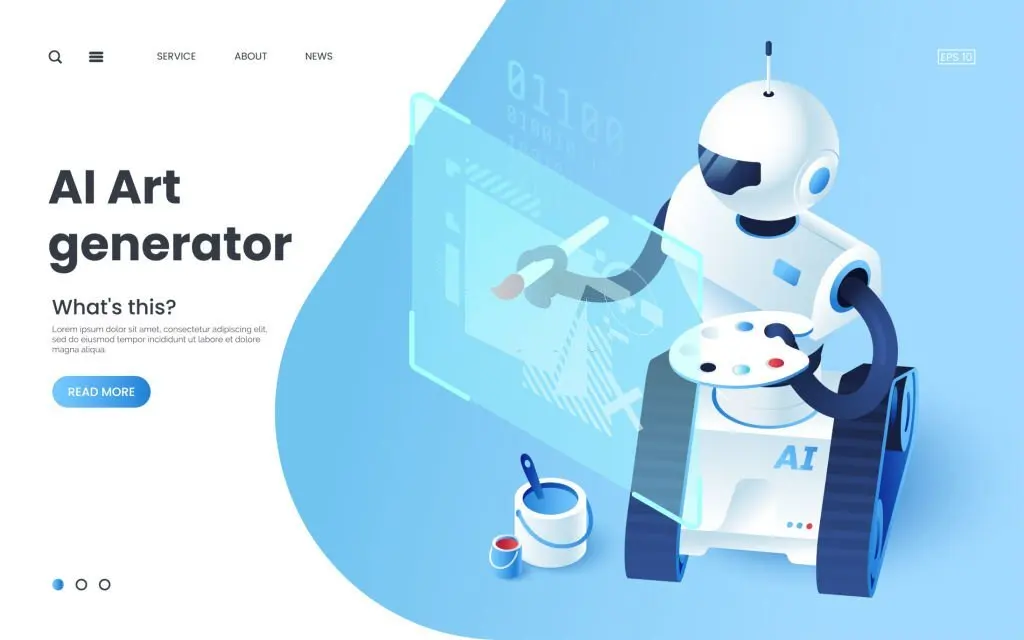
Artificial Intelligence (AI) is increasingly being used in web design to streamline processes, enhance user experiences, and improve website performance.
Automated Design and Layout Suggestions: AI algorithms can analyze design preferences, user behavior, and industry trends to offer automated design and layout recommendations. This helps designers and developers create visually appealing and user-friendly websites more efficiently.
Personalization: AI-powered personalization algorithms can analyze user data and behavior to deliver customized content, product recommendations, and user experiences. Personalized websites can lead to higher engagement and conversion rates.
Content Generation: AI-driven content generation tools can assist in creating website content, including text, images, and videos. These tools use natural language processing (NLP) and image recognition to generate and curate content, saving time and effort.
Responsive Design Testing: AI tools can automatically test websites across various devices and screen sizes to ensure responsive design. They identify issues and make recommendations for optimizing the website’s responsiveness.
Chatbots and Virtual Assistants: AI-powered chatbots and virtual assistants enhance user interaction by providing real-time support and information. They can answer common user queries, guide users through the website, and even facilitate e-commerce transactions.
Automated A/B Testing: AI can streamline A/B testing by automatically creating variations of web elements, such as headlines, images, and call-to-action buttons, and analyzing user interactions to determine the most effective design choices.
Image and Video Optimization: AI algorithms can optimize images and videos for faster loading times without sacrificing quality. This is crucial for improving website performance and user experience.
User Behavior Analysis: AI can analyze user behavior on websites, providing insights into how visitors navigate, engage, and convert. This data can inform design improvements and content adjustments.
Security: AI-driven security solutions can help protect websites from cyberattacks, identifying and mitigating threats in real-time. This is essential for safeguarding user data and maintaining website availability.
SEO Optimization: AI tools can assist in optimizing websites for search engines by analyzing keywords, suggesting improvements to on-page SEO elements, and tracking search engine ranking changes.
Dynamic Content Generation: AI can dynamically generate content based on user interactions and preferences. For instance, e-commerce websites can use AI to generate product recommendations in real-time.
Accessibility: AI-driven accessibility tools can help make websites more inclusive by identifying and suggesting improvements for accessibility issues, such as alt text for images and proper semantic HTML structure.
Performance Monitoring and Optimization: AI can continuously monitor website performance and offer suggestions for improving page load times and overall performance.
It’s worth noting that the field of AI in web design is rapidly evolving, and new tools and techniques continue to emerge. Web designers and developers can benefit from incorporating AI into their workflows to save time, enhance user experiences, and stay competitive in the ever-changing digital landscape.