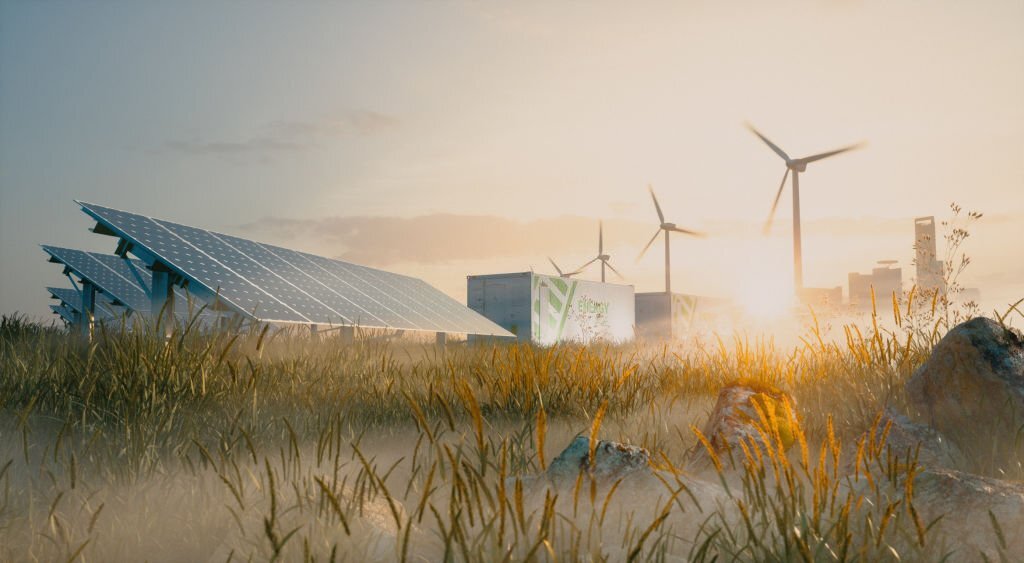
An electrical power system, often referred to simply as a power system, is a complex network of electrical components and devices that work together to generate, transmit, distribute, and control electrical energy. These systems are essential for supplying electricity to homes, businesses, industries, and various infrastructure facilities.
- Generation: Electrical power is typically generated at power plants, which can use various energy sources, including fossil fuels (coal, natural gas, oil), nuclear energy, renewable sources (wind, solar, hydroelectric), and more. Generators convert mechanical energy into electrical energy through electromagnetic induction principles.
- Transmission: After generation, electricity is transmitted at high voltages (typically in the hundreds of kilovolts) over long distances to minimize energy losses. Transmission lines and substations are used for this purpose. High-voltage transmission reduces energy losses and allows for efficient long-distance transport.
- Distribution: At substations closer to the end-users, the voltage is reduced through transformers to safer levels for distribution. Distribution lines carry electricity to neighborhoods, commercial areas, and industrial facilities. These lines are typically lower voltage, ranging from a few hundred volts to around 35 kV.
- Transformers: Transformers are essential components in the power system that enable voltage to be increased (step-up) for transmission or decreased (step-down) for distribution. They work on the principle of electromagnetic induction and help manage voltage levels as electricity moves through the system.
- Switchgear and Circuit Breakers: Switchgear includes devices such as circuit breakers, switches, and fuses used to control and protect the electrical system. Circuit breakers are crucial for interrupting power in the event of faults, overloads, or other issues to prevent damage and ensure safety.
- Load Centers: These are points where electricity is supplied to end-users, including homes, businesses, and industrial facilities. Load centers are equipped with distribution panels and meters to monitor and control the electricity supplied to various loads.
- Renewable Energy Integration: Modern power systems are increasingly integrating renewable energy sources, such as wind and solar power. This integration requires advanced control systems and energy storage solutions to manage the intermittent nature of these sources.
- Grid Management and Control: Power system operators use sophisticated control centers to monitor and manage the grid in real-time. They balance electricity supply and demand, maintain system stability, and respond to emergencies.
- Smart Grids: Smart grids incorporate advanced communication and information technologies to enhance the efficiency and reliability of power systems. They enable two-way communication between utilities and consumers, optimize grid operations, and facilitate the integration of distributed energy resources.
- Power Quality: Ensuring the quality of electrical power is vital for the proper functioning of sensitive electronic equipment. Power quality encompasses aspects like voltage stability, frequency control, and mitigation of disturbances like voltage sags and surges.
- Energy Storage: Energy storage systems, such as batteries and pumped hydro storage, are increasingly used to store excess energy during periods of low demand and release it during peak demand times, improving grid reliability and stability.
- Grid Resilience: Grid resilience refers to the ability of a power system to withstand and recover from disturbances, including natural disasters, cyberattacks, and physical attacks. Enhancing resilience is a critical focus in power system planning and design.
Electric power systems are vital for modern society, and they continue to evolve as new technologies and energy sources are integrated into the grid. The reliability, efficiency, and sustainability of these systems are of utmost importance for meeting the energy needs of the future.