Renewable energy schemes are initiatives and projects designed to harness and utilize energy sources that are naturally replenished and environmentally sustainable. These schemes aim to reduce our reliance on fossil fuels and mitigate the environmental impact of energy production. Here are some common renewable energy schemes and technologies:
- Solar Power:
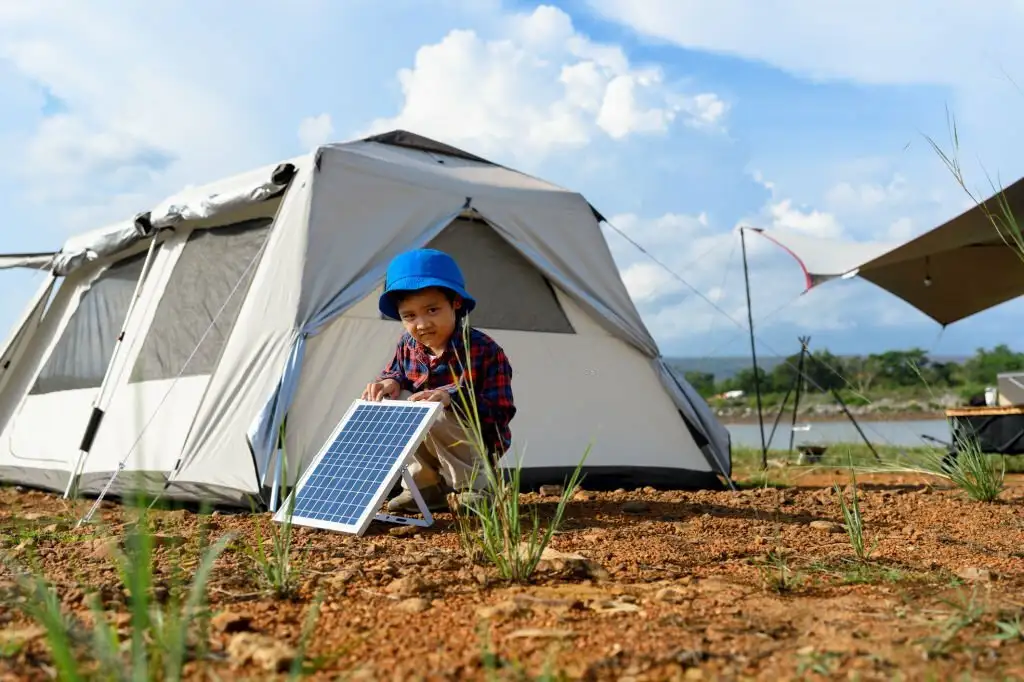
- Photovoltaic (PV) systems: Solar panels convert sunlight into electricity.
- Solar thermal systems: Concentrated sunlight is used to heat a fluid, which generates electricity or provides hot water.
- Wind Power:
- Wind turbines: These structures capture kinetic energy from the wind and convert it into electricity.
- Hydropower:
- Hydroelectric dams: Water flow is used to turn turbines and generate electricity.
- Tidal and wave energy: The energy generated by tides and ocean waves is captured to produce electricity.
- Geothermal Power:
- Geothermal power plants: Heat from the Earth’s core is used to produce electricity or provide direct heating.
- Biomass Energy:
- Biomass power plants: Organic materials, such as wood, agricultural residues, and waste, are burned or converted into biogas to generate energy.
- Ocean Energy:
- Ocean thermal energy conversion (OTEC): Temperature differences between surface and deep ocean water are harnessed to generate electricity.
- Salinity gradient power: Differences in salt concentration between seawater and freshwater are used to produce electricity.
- Community and Distributed Energy:
- Community solar and wind projects: Local communities collectively invest in and benefit from renewable energy installations.
- Microgrids: Smaller, localized grids that can operate independently or in conjunction with the main electrical grid, often incorporating renewable sources.
- Energy Storage:
- Battery energy storage systems (BESS): Store excess energy for later use, helping to balance intermittent renewable sources.
- Pumped hydro storage: Utilizes excess electricity to pump water to a higher reservoir for later release and energy generation.
- Green Building Design:
- Incorporating energy-efficient design and materials to reduce energy consumption in buildings.
- Rooftop gardens and solar panels on commercial and residential buildings.
- Renewable Energy Incentives:
- Government subsidies, tax credits, and feed-in tariffs to promote the adoption of renewable energy technologies.
- Electrification of Transportation:
- Promotion of electric vehicles (EVs) and the development of charging infrastructure to reduce reliance on fossil fuels in the transportation sector.
- Research and Innovation:Renewable energy schemes are initiatives and projects designed to harness and utilize energy sources that are naturally replenished and environmentally sustainable. These schemes aim to reduce our reliance on fossil fuels and mitigate the environmental impact of energy production. Here are some common renewable energy schemes and technologies:
- Solar Power:
- Photovoltaic (PV) systems: Solar panels convert sunlight into electricity.
- Solar thermal systems: Concentrated sunlight is used to heat a fluid, which generates electricity or provides hot water.
- Wind Power:
- Wind turbines: These structures capture kinetic energy from the wind and convert it into electricity.
- Hydropower:
- Hydroelectric dams: Water flow is used to turn turbines and generate electricity.
- Tidal and wave energy: The energy generated by tides and ocean waves is captured to produce electricity.
- Geothermal Power:
- Geothermal power plants: Heat from the Earth’s core is used to produce electricity or provide direct heating.
- Biomass Energy:
- Biomass power plants: Organic materials, such as wood, agricultural residues, and waste, are burned or converted into biogas to generate energy.
- Ocean Energy:
- Ocean thermal energy conversion (OTEC): Temperature differences between surface and deep ocean water are harnessed to generate electricity.
- Salinity gradient power: Differences in salt concentration between seawater and freshwater are used to produce electricity.
- Community and Distributed Energy:
- Community solar and wind projects: Local communities collectively invest in and benefit from renewable energy installations.
- Microgrids: Smaller, localized grids that can operate independently or in conjunction with the main electrical grid, often incorporating renewable sources.
- Energy Storage:
- Battery energy storage systems (BESS): Store excess energy for later use, helping to balance intermittent renewable sources.
- Pumped hydro storage: Utilizes excess electricity to pump water to a higher reservoir for later release and energy generation.
- Green Building Design:
- Incorporating energy-efficient design and materials to reduce energy consumption in buildings.
- Rooftop gardens and solar panels on commercial and residential buildings.
- Renewable Energy Incentives:
- Government subsidies, tax credits, and feed-in tariffs to promote the adoption of renewable energy technologies.
- Electrification of Transportation:
- Promotion of electric vehicles (EVs) and the development of charging infrastructure to reduce reliance on fossil fuels in the transportation sector.
Renewable energy schemes play a vital role in reducing greenhouse gas emissions, combating climate change, and transitioning to a more sustainable energy future. They also promote energy independence and stimulate economic growth by creating jobs in the clean energy sector.
- Solar Power:
Renewable energy schemes play a vital role in reducing greenhouse gas emissions, combating climate change, and transitioning to a more sustainable energy future. They also promote energy independence and stimulate economic growth by creating jobs in the clean energy sector.