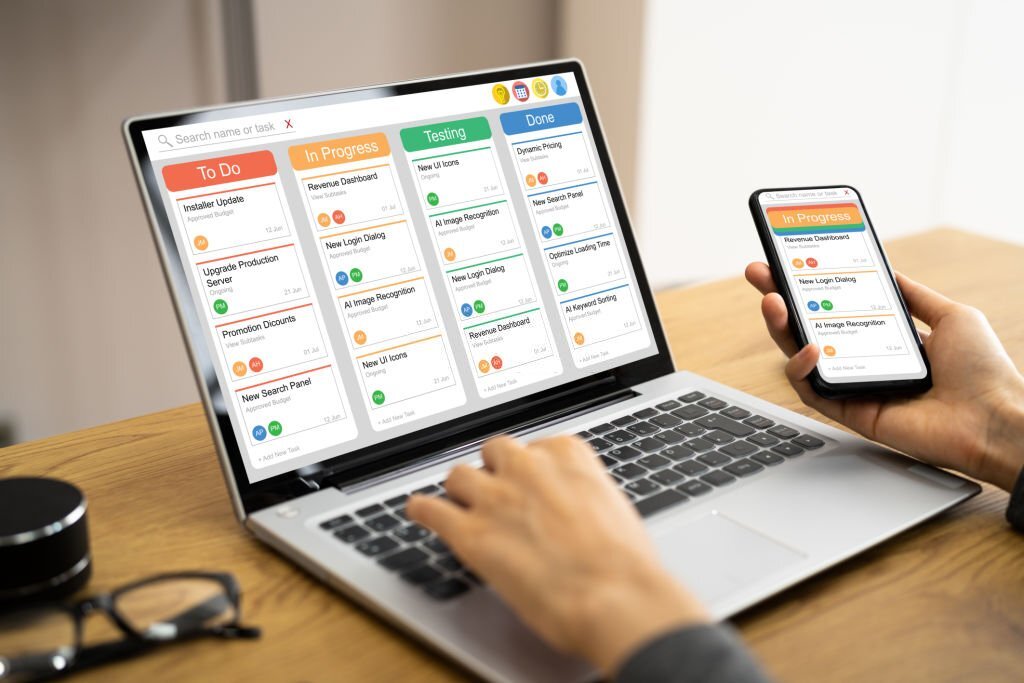
Software Project Management (SPM) is a discipline within the broader field of project management that specifically focuses on planning, executing, monitoring, and controlling software development projects. The goal of SPM is to deliver software products on time, within budget, and meeting quality and functionality requirements.
Project Planning: This involves defining the scope of the project, setting objectives, estimating resources and time, creating a project schedule, and identifying potential risks and challenges. Project planning helps establish a roadmap for the entire project.
Requirements Gathering: It is essential to clearly define the functional and non-functional requirements of the software to be developed. Effective requirements gathering helps ensure that the project meets the needs of its stakeholders.
Team Formation: Building the right team with the necessary skills and expertise is crucial for project success. This involves hiring, assigning roles and responsibilities, and fostering effective communication within the team.
Project Execution: This phase involves the actual development and coding of the software. Agile methodologies (like Scrum and Kanban) or traditional Waterfall approaches are often used to manage the software development process.
Quality Assurance: This includes testing, code reviews, and other quality control measures to identify and fix defects and issues.
Risk Management: Identifying and managing risks throughout the project’s life cycle is important. This involves proactive risk assessment, mitigation, and contingency planning.
Change Management: Software projects often encounter changes in requirements, scope, or other factors. Managing these changes effectively is a key aspect of SPM to avoid scope creep and budget overruns.
Monitoring and Control: Continuous monitoring of the project’s progress and comparing it against the project plan is vital. Adjustments can be made as necessary to keep the project on track.
Communication: Effective communication within the project team and with stakeholders is critical. Regular status reports, meetings, and documentation help ensure that everyone is on the same page.
Documentation: Maintaining comprehensive project documentation, including requirements, design specifications, and test plans, is essential for tracking progress and facilitating knowledge transfer.
Tools and Technology: Various project management tools and software are available to aid in the planning, tracking, and collaboration aspects of software project management. These can include project management software, version control systems, and issue tracking tools.
Project Closure: Once the software is developed, tested, and deployed, the project is closed, and post-implementation reviews are conducted to evaluate the project’s success and gather lessons learned.
Agile vs. Waterfall: Software projects can be managed using different methodologies. Agile methodologies, such as Scrum and Kanban, are iterative and flexible, while the Waterfall approach is more sequential and structured.
Successful software project management requires a balance of technical, managerial, and interpersonal skills. It’s important to adapt the project management approach to the specific needs of the project, considering factors like project size, complexity, and stakeholder expectations. Effective project management can significantly increase the chances of delivering a high-quality software product on time and within budget.